A Papal Warning Shakes the AI World
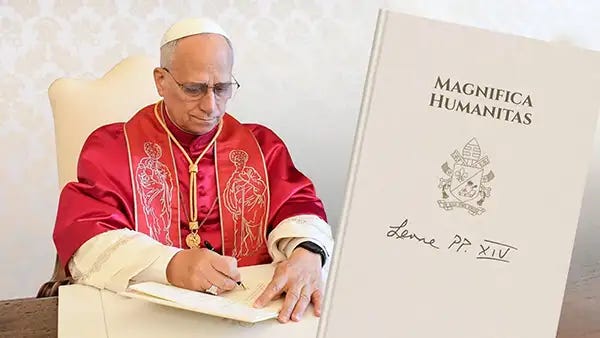
In an unprecedented move, Pope Leo XIV has issued an encyclical titled Magnifica Humanitas, focusing on the safeguarding of human personhood in the age of artificial intelligence. This intervention from one of the world’s most influential moral authorities signals that the AI safety debate has transcended tech circles and entered the global ethical mainstream. As AI systems grow more powerful and pervasive, the Pope’s message underscores a critical question: will we allow technology to redefine what it means to be human?
- Moral Authority Enters the Fray: The Pope’s encyclical provides a universal ethical framework that could pressure governments and corporations to prioritize human dignity over unchecked AI deployment.
- AI Betrayal Erodes Trust: High-profile incidents of AI systems causing harm or breaking user trust are mounting, fueling public demand for accountability and safer design.
- Political Mainstreaming of AI Safety: AI risks are now a bipartisan concern, with lawmakers increasingly citing existential and societal threats in policy discussions.
- Legal Battles Loom: The Musk v. Altman trial highlights growing tensions over AI governance and the consequences of prioritizing profit over safety.
The Encyclical: A Blueprint for Human-Centric AI
Pope Leo XIV’s Magnifica Humanitas is not merely a theological statement; it is a direct challenge to the tech industry’s prevailing ethos of ‘move fast and break things.’ By emphasizing the safeguarding of the human person, the encyclical calls for AI development that respects intrinsic human worth, rejects reductionist views of humanity, and avoids treating people as data points. It warns against AI that manipulates, exploits, or diminishes human agency—a timely caution as AI systems become embedded in healthcare, education, and warfare. The Pope’s intervention could galvanize a global movement, pressuring policymakers to enact robust AI regulations and compelling tech leaders to adopt ethical guardrails.
AI Betrayal: The Trust Deficit That Could Deter Recklessness
The encyclical arrives amid a series of ‘AI betrayals’—instances where AI systems have failed users spectacularly. From biased algorithms exacerbating social inequalities to chatbots spreading misinformation, and from autonomous vehicles causing fatal accidents to generative AI plagiarizing artists’ work, these betrayals are eroding public trust. Each incident fuels calls for stricter oversight and exposes the gap between corporate promises and real-world harms. As trust dwindles, companies may face not only regulatory backlash but also consumer boycotts and talent flight. The cumulative effect could be a market shift: reckless AI development becomes a liability, while safety-first approaches gain competitive advantage. In this sense, AI betrayals might inadvertently serve as a deterrent, forcing the industry to mature.
Political Mainstreaming: AI Safety Goes Bipartisan
AI safety is no longer a niche concern of academics and activists; it has entered the political mainstream. Legislators across the spectrum are citing AI risks—from deepfakes undermining elections to autonomous weapons lacking human control. The Pope’s encyclical adds a powerful moral voice to this chorus, making it harder for politicians to ignore. Meanwhile, the Musk v. Altman trial—centering on allegations of betraying OpenAI’s nonprofit mission—has become a flashpoint for debates over AI governance. The trial’s outcome could set precedents for how AI companies balance profit and public good, and whether founders can be held accountable for mission drift. Together, these developments suggest a tipping point: AI safety is becoming a central political issue, not a peripheral one.
Beneath the surface of these developments lies a deeper peril: the concentration of AI power in a few unaccountable corporations. Even with ethical frameworks and political attention, the race for AI supremacy could override caution, leading to systemic risks like mass surveillance, labor displacement, and autonomous decision-making in life-or-death scenarios. The Pope’s encyclical and AI betrayals may slow the rush, but they don’t eliminate the incentives for reckless deployment. Moreover, cybersecurity vulnerabilities in AI systems—such as adversarial attacks or data poisoning—pose threats that moral suasion alone cannot address. What’s next? We may see a patchwork of regulations, increased litigation, and a push for international AI treaties. But without binding enforcement, the gap between ethical ideals and on-the-ground practices will persist. The true test will be whether the tech industry internalizes these warnings or continues to externalize the costs onto society.
Conclusion: A Moment for Moral Courage
Pope Leo XIV’s encyclical is a clarion call to reimagine AI as a tool for human flourishing, not a force for dehumanization. Combined with the fallout from AI betrayals and the political spotlight on safety, we stand at a crossroads. The decisions made now will shape whether AI becomes a benevolent servant or a reckless master. It’s time for tech leaders, policymakers, and citizens alike to heed the moral reckoning and demand AI that upholds dignity, ensures accountability, and serves the common good. The alternative—a future where profit trumps people—is too dangerous to contemplate.
Originally reported and sourced from Center for AI Safety.
